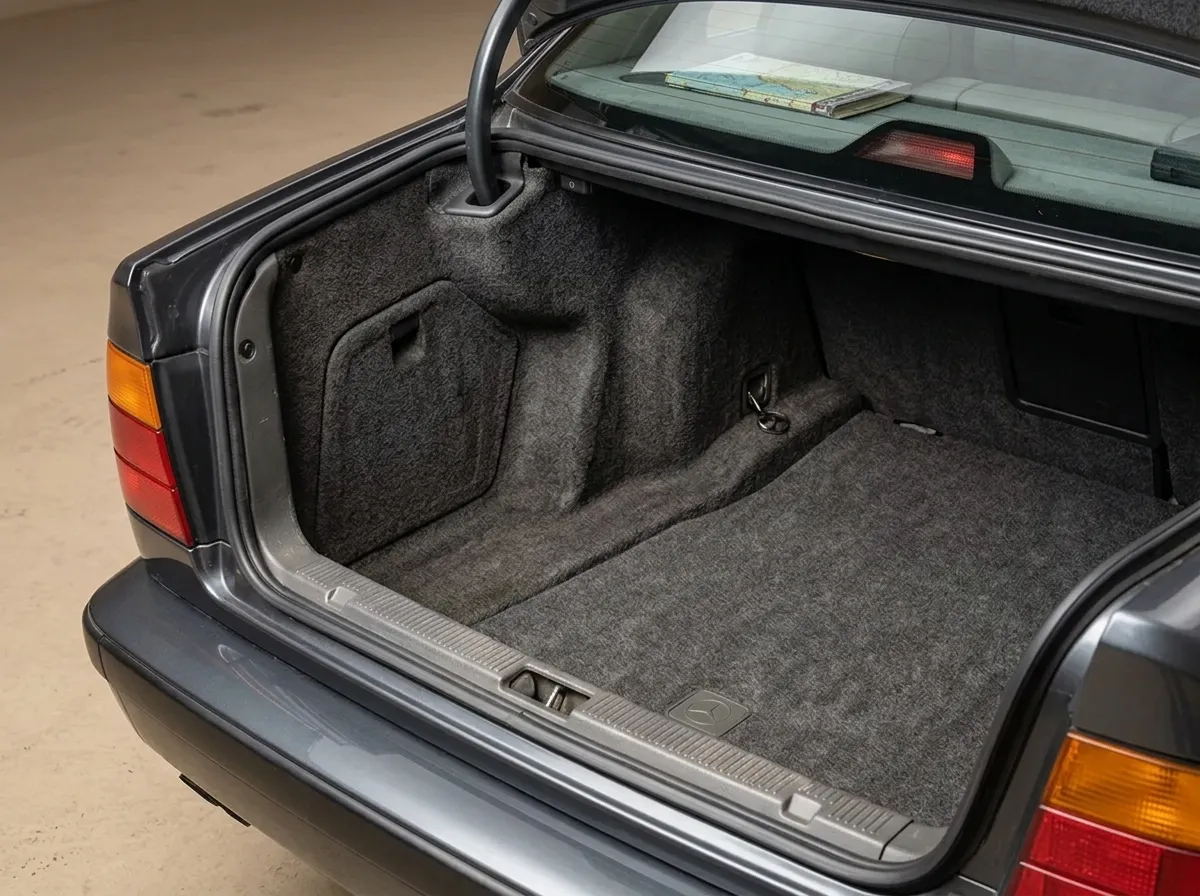
Why Does NVH Material Optimization Directly Impact Automotive Build Quality?
Why are advanced NVH materials critical in vehicle design? Technical insight into how rPET acoustic felt manages sound absorption and dampening.

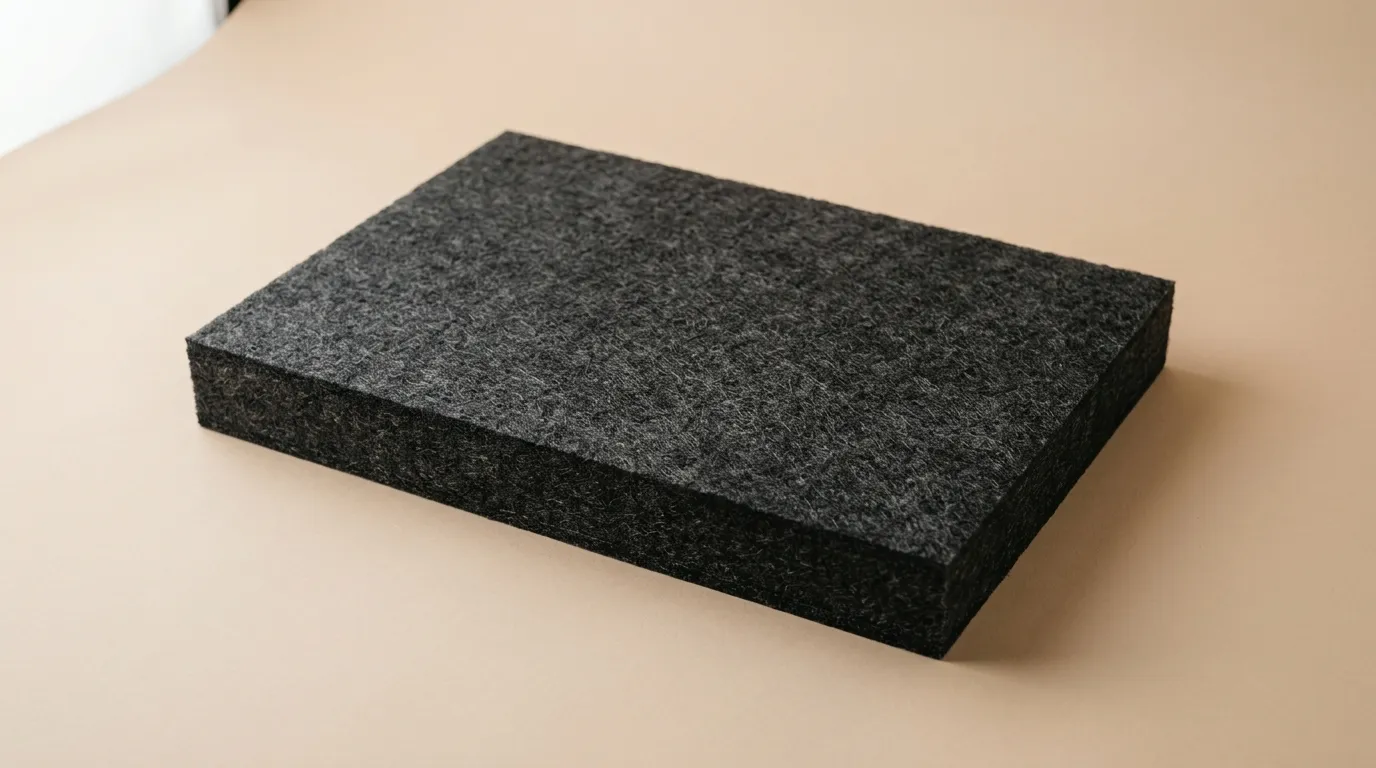
In the automotive manufacturing sector, engineering quiet cabins requires high-efficiency sound insulation. Recycled PET (rPET) acoustic felt has emerged as a premier material choice for components needing reliable noise dampening and structural support. To properly integrate this industrial textile into tier-1 supply lines, product developers must evaluate its specific manufacturing blueprints and structural criteria.
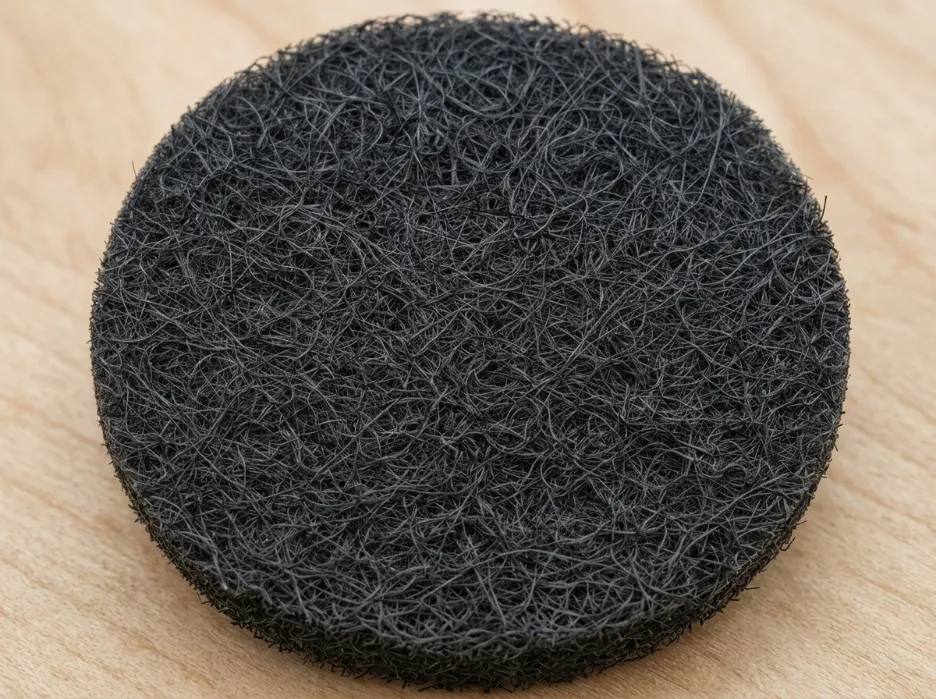
Industrial rPET acoustic felt is a needle-punched polyester felt for cars manufactured from post-consumer recycled polyethylene terephthalate fibers. The mechanical needle-punching process interlocks these synthetic fibers without the need for chemical binders. This creates a highly porous, multi-directional web that is exceptionally efficient at trapping fluid sound waves and turning mechanical energy into thermal dissipation.
Procurement managers and product development engineers evaluate this material based on specific structural metrics to ensure compliance with component blueprints:
Beyond its sound-absorbing properties, rPET felt provides a uniform fiber distribution that ensures consistent density throughout the component lifecycle. Its lightweight profile assists in reducing overall vehicle weight, while its recycled composition helps manufacturers meet strict environmental and sustainability directives without sacrificing technical performance.